home
Snow Camping

Future Camping

Monday, January 5, 2009

Sleep and Human Performance

BioEd Online is proud to announce the debut of a new online series, sponsored by the National Space Biomedical Research Institute (NSBRI), featuring presentations by eminent leaders in space life science. This series will provide resources for undergraduate and graduate students, as well as for educators.

Established in 1997 and funded by NASA, NSBRI sponsors investigations to develop countermeasures to human health related challenges posed by long-duration space flight. While solving a variety of health issues related to space travel, NSBRI research also is leading to treatments for patients with similar conditions on Earth, such as osteoporosis, muscle wasting, shift-related sleep disorders, balance disorders, and cardiovascular system problems.

The first presentation in BioEd's new series is Sleep and Human Performance, by Dr. David Dinges, Leader of NSBRI's Neurobehavioral and Psychosocial Factors Team. Research has shown that the proper amount of sleep is essential for memory and optimal performance. So, how much sleep do people need? Why do adolescents want to stay up late at night and sleep away half the day? After listening to Dr. Dinges, you may decide to make more time to get a "good night's rest."


posted by Futurecamping @ 9:38 PM permanent link   | Post a Comment | 0 comments

Some General Restrictions For Cave Camp

The National Park Service is constantly looking for ways to make the park safer, but remember – you are in a natural setting and a public place and you must always look out for your own safety. Below are some tips to help ensure that your visit is a safe one.

General Cave Tour Restrictions
  • Take a little time to ensure that the activity you have chosen is the best one for you. All cave tours and nature walks can be strenuous, so be sure you understand what will be required of you before the start of your activity. If you are unsure, ask a park ranger to explain what will be required of you. NEVER let someone talk you into doing an activity if you feel uneasy about it.
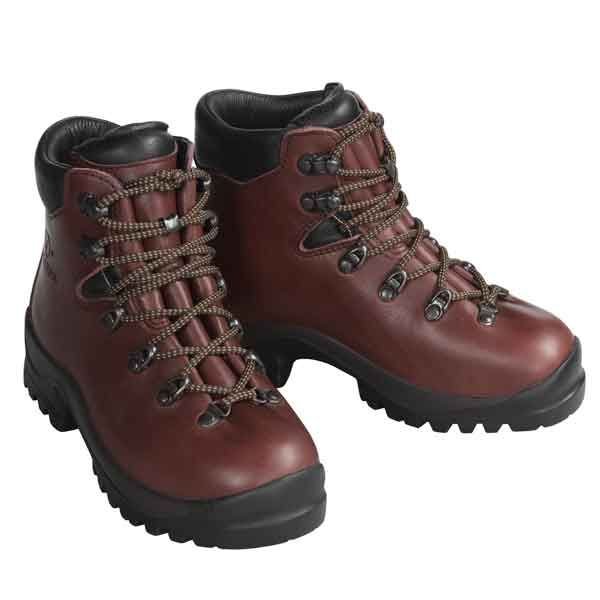
  • Cave and surface trails are uneven and slippery so be sure you have the proper footwear and always look before you step.
  • All cave tours require shirts and shoes for admittance.
  • Camera tripods and monopods, child strollers and infant backpack carriers are prohibited in the cave for visitor safety.
  • Walking sticks and canes are permitted on cave tours only when sufficient need is demonstrated.
  • To protect air quality, smoking is not permitted in the cave or at cave entrances.
  • Year-round cave temperature in interior passageways fluctuates from the mid-50s to the low 60s (in degrees Farenheit). However, winter temperatures can be below freezing at entrances! In most areas of the cave, you'll be comfortable if you wear long pants and take a sweater or jacket with you.

Outside

  • When leaving your car at the Visitor Center or a remote trailhead, always lock the doors and store all items out of sight. When possible, park in an open, well-lit area.
  • Do not approach or feed animals. All animals in the park are wild, and feeding them harms their well-being. All animals can be dangerous, even the most harmless-looking deer, squirrel or raccoon. Do not approach.
  • Always be aware while driving. Numerous animals such as deer and turkey are often visible along the sides of the road. Make sure to use extra caution while driving as these animals may walk into traffic.
  • Examine yourself for ticks after spending time outside. Ticks can carry diseases such as Rocky Mountain Spotted Fever and Lyme disease. For more information, ask at the Visitor Center.
  • Do not drink from rivers, ponds, lakes or springs in the park without first treating the water. Potable water is available in the Visitor Center area and at Houchins Ferry Campground.
  • When you begin a trail hike, always tell others where you are going. Sign in at trailhead registers where they are available.
  • Use caution on rocky or slippery trails.
  • Swimming in the Green and Nolin Rivers is at your own risk, and is not recommended.
  • Carry a flashlight if you hike in late evening.

If you set aside a little time to think about safety, your visit to Mammoth Cave National Park will be remembered as an enjoyable time that you will want to experience again.


posted by Futurecamping @ 8:29 PM permanent link   | Post a Comment | 0 comments

Sunday, December 28, 2008

Rock Climbing

The recreation standard that is being developed, describes climbing as:

climbing, mountaineering, rock climbing

Rock climbing, rappelling, ice climbing, and mountaineering are technical and unique ways to experience America's public land. Our parks, forests, and wilderness areas offer experiences that cater to every ability level from beginner to expert.

Take a guided climb or simply hone your skills and have fun at a climbing wall. Climbing fees and seasonal restrictions may vary from site to site.

Practice Good Stewardship of our Public Lands:

You can help to take good care of our public lands so that others may enjoy these areas for years to come by practicing some of the following actions:

Don't Litter... take along a trash bag or other receptacle for collecting your trash so that you can deposit it in the proper trash receptacle.

Make sure that you are using the correct type of climbing equipment permitted in that area. Check with your destination ahead of time to check for seasonal restrictions that may be in place.

Don't climb or rappel in areas where it is not permitted. These areas have been declared "off limits" to climbers to protect wildlife, vegetation, or for your safety.

Safety While Climbing:
  • Wear the proper safety equipment, such as: helmets, harnesses, gloves, and other climbing safety gear
  • If you are new to climbing, find a buddy to climb with
  • Do not climb in unauthorized areas
  • Bring along extra safety items such as water, flashlights, maps, and a cellphone or radio


posted by Futurecamping @ 8:48 PM permanent link   | Post a Comment | 0 comments

Monday, December 22, 2008

Safety Principles For Food While Camping & Boating

Outdoor activities are popular with Americans nationwide. The fresh air and exercise revives the spirit and the mind. Hiking, camping, and boating are good activities for active people and families, and in some parts of the country you can enjoy the outdoors for 2 or 3 seasons. In many cases, these activities last all day and involve preparing at least one meal. If the food is not handled correctly, foodborne illness can be an unwelcome souvenir.

What Foods to Bring?

If you are backpacking for more than a day, the food situation gets a little more complicated. You can still bring cold foods for the first day, but you'll have to pack shelf-stable items for the next day. Canned goods are safe, but heavy, so plan your menu carefully. Advances in food technology have produced relatively lightweight staples that don't need refrigeration or careful packaging.
For example:
  • peanut butter in plastic jars;
  • concentrated juice boxes;
  • canned tuna, ham, chicken, and beef;.
  • dried noodles and soups;
  • beef jerky and other dried meats;
  • dehydrated foods;
  • dried fruits and nuts; and
  • powdered milk and fruit drinks.
Powdered mixes for biscuits or pancakes are easy to carry and prepare, as is dried pasta. There are plenty of powdered sauce mixes that can be used over pasta, but check the required ingredient list. Carry items like dried pasta, rice, and baking mixes in plastic bags and take only the amount you'll need

Cooking at Camp

After you have decided on a menu, you need to plan how you will prepare the food. You'll to take as few pots as possible (they're heavy!). Camping supply stores sell lightweight cooking gear that nest together, but you can also use aluminum foil wrap and pans for cooking.

You'll to decide in advance how you will cook. Will you bring along a portable stove, or will you build a campfire? Many camping areas prohibit campfires, so check first or assume you will have to take a stove. Make sure to bring any equipment you will need. If you are bringing a camp stove, practice putting it together and lighting it before you pack. If you build a campfire, carefully extinguish the fire and dispose of the ashes before breaking camp. Likewise, leftover food should be burned, not dumped. Lastly, be sure to pack garbage bags to dispose of any other trash, and carry it out with you.


posted by Futurecamping @ 8:27 PM permanent link   | Post a Comment | 0 comments

Thursday, December 18, 2008

Boat Camping

What do we mean by Boating?
boating as:

motor boating, jet boating, motorized rafting, canoe trips, sailing, kayaking, paddle sports, scenic floats, tubing, whitewater rafting, drift boats, dory trips

Your public parks, lakes, and rivers provide excellent boating opportunities. Boating is a great way to enjoy America's coastal and river-front scenery. It can be as easy as relaxing in a boat or as rigorous as paddling the Arkansas River in a kayak. If you do not own a boat, there are many opportunities to rent one. Licensing, fees and seasonal restrictions may vary from site to site.

Practice Good Stewardship of our Waterways:

You can help to take good care of our lakes, rivers, and other waterways so that others may enjoy these areas for years to come by practicing some of the following actions:

Don't Litter... take along a trash bag or other receptacle for collecting your trash so that you can deposit it in the proper trash receptacle. Always use proper dumping stations.

Make sure that you operate the correct type of watercraft permitted in that area. Check with your destination ahead of time to make ensure that the boat, canoe, or other watercraft you plan to use is allowed.

Pay attention to local procedures and cautions for cleaning your watercraft after you leave the water so that you don't facilitate the spread of nuisance species such as the Zebra Mussel to the next body of water you may visit with your boat.

Don't operate a boat or watercraft in areas where they are not permitted. These areas have been declared "off limits" to watercraft to protect wildlife, vegetation, or for your safety.

Safety While Boating:
  • Wear your personal floatation device (pfd) and make sure that your passengers wear theirs, too !
  • If operating a houseboat, be careful of carbon monoxide build-up around the boat
  • Obey the posted speedlimits and wake warnings
  • Do not operate your watercraft on unauthorized waterways
  • Never consume alcohol while operating a watercraft
  • Bring along extra safety items such as water, flashlights, maps, and a cellphone or radio


posted by Futurecamping @ 9:38 PM permanent link   | Post a Comment | 0 comments

Tuesday, December 16, 2008

Space Camp Clothing

Astronauts wear various types of clothing for all aspects of a mission to space. Whether preparing for launch, working inside the space shuttle or the space station, working outside in space, or landing back on Earth, astronauts wear the proper garments for both comfort and protection.

Space Station Clothing

International Space Station crewmembers choose the shirts, shorts and pants they will wear in space months before they are scheduled to launch. In fact, their clothes often arrive at the space station before they do, via a Progress resupply vehicle or a space shuttle.

Space station crews can choose from either Russian or U.S. clothing supplies. They also have the option of ordering two versions of Russian coveralls heavy or light-duty to work in aboard the space station.

Because it's expensive to take supplies into space and there's no washing machine aboard the space station in order to save water station crews don't change clothes as often as people do on Earth. Of course, since they don't go outside, except in a spacesuit, they don't get as dirty as people living on Earth. They're also able to bathe every day and after exercising. The Expedition Six commander, Ken Bowersox, did find a way to wash his favorite pair of shorts, however (see the video section at right).

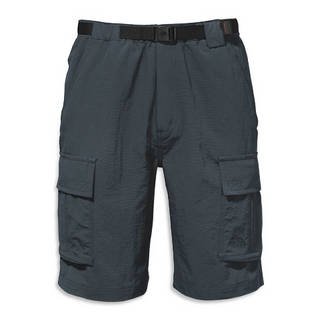
On average, station crewmembers get one pair of shorts and a T-shirt for every three days of exercising. Their work shirts and pants/shorts are changed, on average, once every 10 days. Crewmembers generally get a new T-shirt to wear under their work shirts every 10 days. Underwear and socks are changed every other day, but PolartecTM socks, which are worn if a crewmember's feet get cold, must last a month. They also get two sweaters.

In addition, each crewmember gets a pair of running shoes to use on the station's treadmill and another pair of shoes to wear when using the station's exercise bicycle.

When a piece of clothing has been worn as many times as possible, it's placed in a bag for disposal. Very little clothing is brought home by space station crewmembers. Most of it is eventually placed in the Progress resupply vehicle before it undocks from the space station. The dirty clothing and other garbage then burns up with the Progress when it re-enters the Earth's atmosphere.

Space Shuttle Clothing

Like space station crewmembers, shuttle astronauts choose their clothing months before their launch, often selecting tops that have their mission's logo sewn on them. Unlike space station crewmembers, however, shuttle astronauts bring a change of clothes for every day of their mission.

Space shuttle crewmembers can choose to wear pants or shorts depending on what they're doing aboard the shuttle and the temperature inside the spacecraft. They also have the option of wearing long- or short-sleeve polo shirts or rugby shirts, as well as sweaters and pullovers.

Like space station crews, shuttle astronauts wear shorts and T-shirts when they exercise. The pants they wear are covered with plenty of pockets and velcro. The pockets and velcro help them keep everything they're working with near them. Without gravity, anything a person lets go of will float away - to be found later on the filtering screen of the shuttle's air circulation system. This screen is the shuttle's version of the Lost and Found section. Station crewmembers also report finding their lost items on the screens of the space station's air circulation system.

Launch and Landing

During launch and entry aboard a space shuttle, crew members use the orange Launch and Entry Suits you see astronauts wearing as they walk out to the launch pad at the Kennedy Space Center in Florida.

In the event of a pressure leak in the space shuttle's flight cabin, the suits would maintain a positive air pressure around the astronaut. This provides enough air pressure for the astronaut to survive the return to Earth during an emergency landing. Should an astronaut be forced to bail out over cold water, the pressurized suit would also provide thermal protection.

The LES, as it is called, provides an emergency oxygen system; parachute harness; parachute pack with automatic opener, pilot chute, drogue chute and main canopy; a life raft; two liters of emergency drinking water; flotation devices; and survival vest pockets containing a radio/beacon, signal mirror, shroud cutter, pen gun flare kit, sea dye marker, smoke flare and beacon. The attached parachute can be opened automatically or manually.

If the crew is using a Russian Soyuz spacecraft for launch and landing, they will wear the Russian Sokol suit, which functions like the U.S. Launch and Entry Suit.


posted by Futurecamping @ 8:16 PM permanent link   | Post a Comment | 0 comments

Sunday, December 14, 2008

Camping With HIV/AIDS Children To Build Self-Esteem

ISSUES ADDRESSED: Through careful planning and staffing, a medically safe and nurturing camp experience can be provided to children infected with HIV. Camp Hope and Camp Hug, offered to a consistent core of camp participants, increases trust and security, builds self esteem, strengthens social ties, and establishes peer networks for the children and the caregivers. The camping experience creates a level of normalcy that creates a well-child environment barring the typical issues of HIV children, i.e. disclosure, secrecy, stigma, discrimination, ostracism, and rejection, thus providing a safe environment to discuss critical issues such as sexuality and death. In addition, camp can provide for a safe and nurturing environment for affected siblings and adult caregivers, allowing for comprehensive psychosocial programming augmented by recreation activities.

DESCRIPTION OF PROJECT: During 1996 and 1997, AIDS Foundation Houston, Inc., created Camp Hope, a weekend HIV+ children's camp, and Camp Hug, a weekend HIV+ family camp. Both camping experiences provided a safe and beneficial life experiences for children with HIV and their caregivers. In 1998, Camp Hope will begin a six day summer camp program for approximately 60 HIV+ children, ages 6-16.

DESCRIPTION OF RESULTS: Narrative and qualitative results point to a positive halo effect over time of HIV infected children participating in a camp experience increasing self esteem and creating an atmosphere of trust that allows for sensitive issues to be addressed. The entire family unit benefits from the camp experience by openly addressing issues of mortality, sexuality, confidentiality, treatments, and wellness.

LESSONS: With proper medical staffing, HIV+ children can have a medically safe camping experience that leads to an increased sense of security and self-esteem and provides a well-child environment that facilitates social development. Longitudinal evaluation shows improved life skills and social development resulting from the camp experience. Children with HIV need a safe environment for life experiences that lead to a stronger sense of normalcy and acceptance in order to increase self-esteem.


posted by Futurecamping @ 8:59 PM permanent link   | Post a Comment | 0 comments